Car Lift vs Etihad Railways for Dubai to Abu Dhabi Commute
Car lifts dominate the inter-emirate commute because they offer door-to-door convenience, flexible drop-offs, and zero parking hassle. Driving or taking a car lift between Dubai and Abu Dhabi can take up to 90 minutes in heavy traffic, but commuters rely on it because it fits their schedule and eliminates station transfers.
Why Car Lifts and Private Driving Win Commuters:
By pairing accessible base rates with structured fare flexibility, the ticketing model directly counters the "I need my car so I can leave whenever I want" mindset, delivering direct control alongside the luxury of time.
The experience is the product
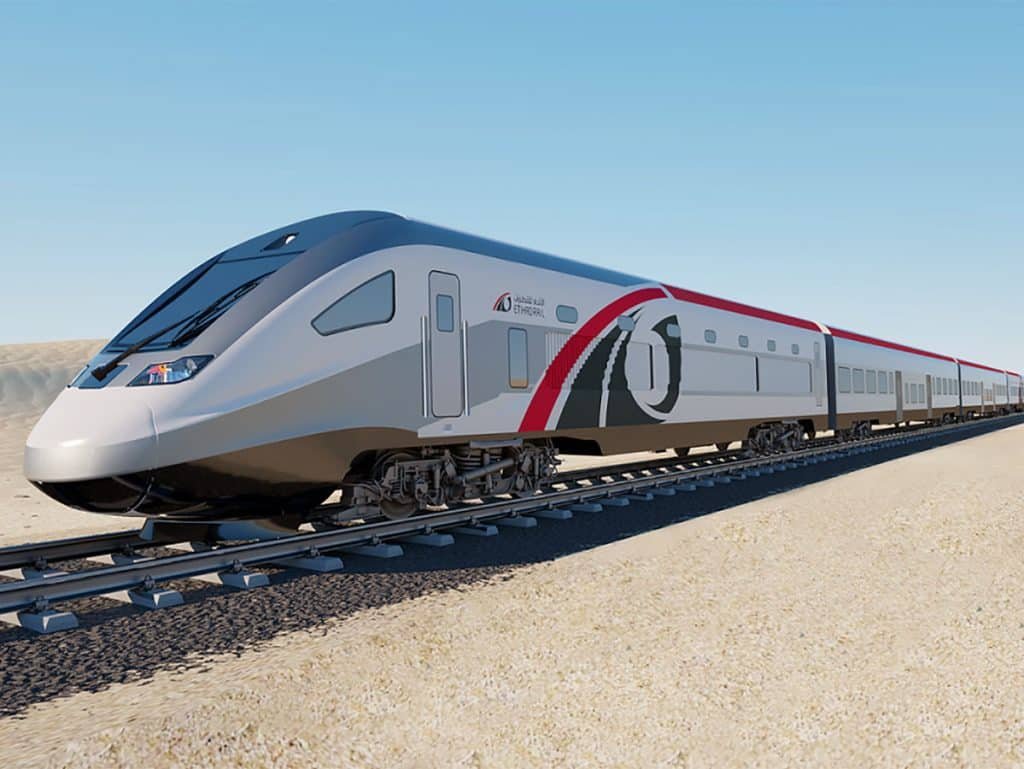
Etihad Rail doesn't just promote a train service; it markets a complete travel ecosystem, seamlessly embedding its brand identity into every stage of the passenger journey.
Dubai Al Yalayis Station Worked as a Social Media Engine
Train travel in the UAE has to look appealing before it becomes a default choice, and social media is the primary engine driving that perception. Content strategies revolve around aspirational, shareable moments: walkthroughs of sleek interiors, scenic landscape shots, authentic first-ride reactions, and station reveals. The immediate test for the launch at Dubai's Al Yalayis station is straightforward: Does the experience make people want to post about it? Early metrics indicate clear success. International rail creators are actively documenting the network, while initial passenger services sold out within 48 hours of booking availability, driven largely by public curiosity and visual hype.
Turning Initial Commutes into Marketing Capital
The inaugural passengers moving through Al Yalayis station act as active content creators, reviewers, and social proof. To capitalize on this, the launch rollout leverages three strategic tactics:
This approach creates an intentional conversion chain: seeing others ride the train sparks interest, which prompts initial trial runs.
Operational Reliability as the Core Marketing Strategy.
For daily commuters, brand trust is built through predictable service delivery. Etihad Rail positions operational transparency directly as a marketing tool:
Dual-Layer Messaging: Utility Meets National Pride
The brand narrative balances operational utility with national identity
Neither message operates effectively in isolation. Practical convenience without pride risks positioning the service as mere mass transit, while brand prestige without utility fails to shift daily habits. Combined, they offer commuters both a functional solution and a compelling lifestyle choice.
Frequently Asked Questions
What will be the route of Etihad Rail?.
The passenger route runs from Al Sila in the west to Fujairah in the east through Abu Dhabi, Dubai, Al Dhaid and Sharjah, linking 11 cities over about 900 km.
How long will Etihad Rail take?
Abu Dhabi to Dubai takes about 57 minutes, and Abu Dhabi to Fujairah takes 1 hour 45 minutes.
What is the ticket price of Etihad Rail?
During the launch phase, 50% promotional fares start at AED 55 for Comfort Class and AED 120 for Premium Class (rising to base fares of AED 109 and AED 239 respectively), with Saver, Value (+AED 10), and Flex (+AED 20) tiers offering extra rebooking options ahead of the final Dubai line pricing reveal.
Who is the owner of Etihad railway?
Etihad Rail is owned by the UAE federal government together with the Government of Abu Dhabi, and it develops and operates the national railway.
How can I book an Etihad Rail ticket?
Book on the Etihad Rail website or app up to four weeks in advance, choosing Comfort or Premium class and a Saver, Value or Flex fare.
How Etihad Rail in UAE Can Change Car-Centric Commuter Culture
The launch of Etihad Rail’s Dubai station represents far more than a new transit hub on a map, it is the ultimate friction test between modern rail infrastructure and a 50-year-old driving culture. The primary marketing hurdle isn't convincing commuters that high-speed rail is modern or efficient; it is disrupting the deeply ingrained reliance on private vehicle transport. Ultimate success won't be calculated by initial brand awareness, high-profile launch media, or opening-day hype, but by measurable, permanent shifts in daily commuter habits across the emirates.Etihad Rail is not merely introducing a new transit alternative; it is attempting to rewire mobility behaviors within one of the most car-centric environments in the world.
As promotional launch discounts expire and full-fare pricing takes effect, the true strength of their end-to-end experience, multi-modal integration, and positioning will be put to the test. At QuikSuccess International, our strategy team will be closely monitoring how these patronage metrics move once the initial excitement settles. Tracking this transition from launch novelty to daily routine offers critical insights into consumer behavior, operational positioning, and the exact mechanics required to turn infrastructure investment into long-term market adoption.